
An Open Source, modular, small, simple, secure, and embedded Linux distribution.. #Linux router #VPN gateway #Linux server #Alpine #Embedded #Linux
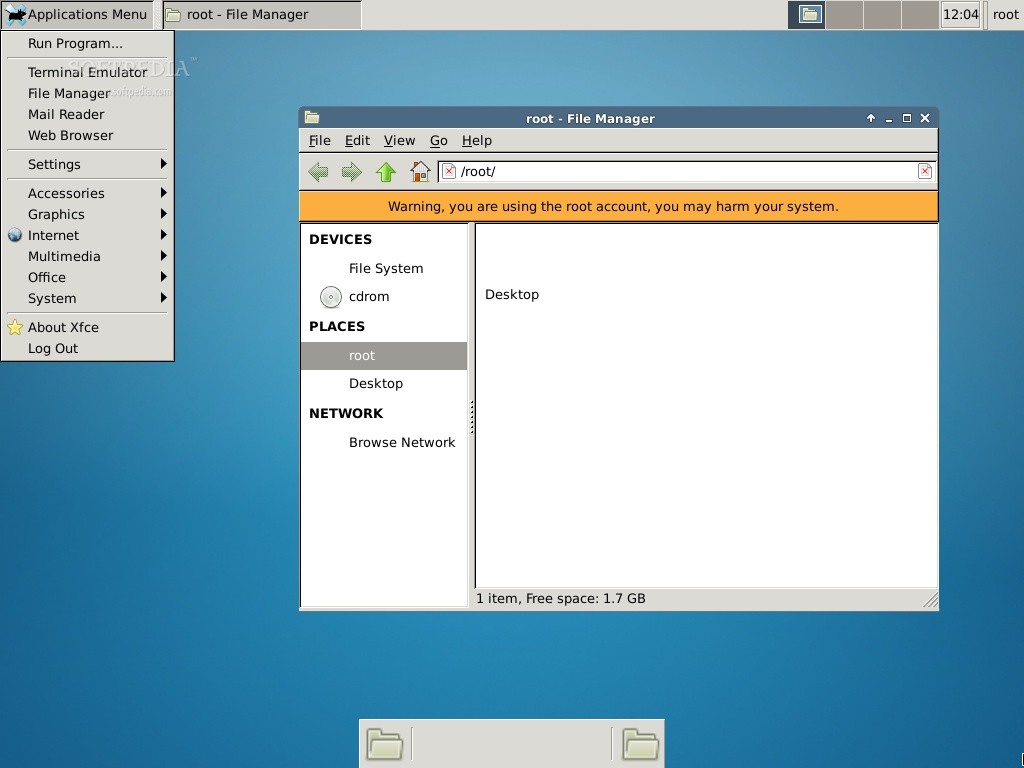
Alpine Linux is an open source Linux-based operating system that provides users with a server-oriented secure computing environment. It is lightweight, small and simple Linux distribution built on top of the Busybox and musl software packages.
The project is distributed in multiple editions, each one with its own purpose and abilities. The main edition is called Alpine Linux Standard, it includes some of the most commonly used packages and it is geared towards servers and routers that run directly from RAM (system memory). The second edition is called Alpine Linux Mini and it’s actually a minimal version of Alpine Linux Standard. It comes with only some basic packages and can be to install the operating system from network.
The third edition is called Alpine Linux VServer and includes only Vserver host packages. Network professionals can use this Alpine flavor to deploy VServer hosts that run directly from RAM. It can also be installed to a local disk drive. Lastly, the Alpine Linux Xen edition provides users with a Xen Dom0 Live CD and Xen packages. It is supported only on 64-bit hardware platforms.
As mentioned, the project provides users with multiple editions distributed as Live CD ISO images and supporting both 32-bit and 64-bit architectures. Alpine Linux's network configuration is similar to Debian's, but those of you who used a BusyBox-based operating system before should have no problem working with this distro.
The Alpine Linux developers have contributed a number of enhancements to BusyBox, in order to make the operating system run like any other. Keep in mind, though, that it doesn’t have a graphical environment.
Whether you use it to deploy your own server or router, VServer hosts and Xen-powered domain zero environments, Alpine is always here to help you. It can also be used to deploy a feature-rich ownCloud server.
Alpine Linux 3.11.3
add to watchlist add to download basket send us an update REPORT- runs on:
- Linux
- filename:
- alpine-extended-3.11.3-x86_64.iso
- main category:
- System
- developer:
- visit homepage
7-Zip 23.01 / 24.04 Beta
4k Video Downloader 1.5.3.0080 Plus / 4.30.0.5655

Microsoft Teams 24060.3102.2733.5911 Home / 1.7.00.7956 Work
Context Menu Manager 3.3.3.1
Bitdefender Antivirus Free 27.0.35.146

IrfanView 4.67

Zoom Client 6.0.3.37634
ShareX 16.0.1
calibre 7.9.0
Windows Sandbox Launcher 1.0.0
- ShareX
- calibre
- Windows Sandbox Launcher
- 7-Zip
- 4k Video Downloader
- Microsoft Teams
- Context Menu Manager
- Bitdefender Antivirus Free
- IrfanView
- Zoom Client