
A Linux distribution based on Slackware Linux and featuring the LXDE desktop environment. #Slackware Linux #Salix OS #LXDE desktop #Slacware #Salix #LXDE
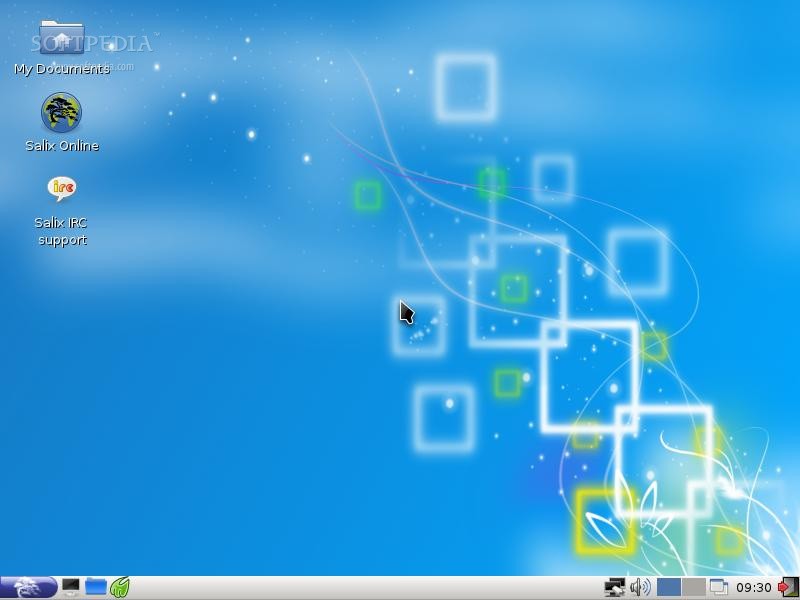
Salix OS LXDE is an open source distribution of Linux that uses LXDE (Lightweight X11 Desktop Environment) on top of a stable and reliable Slackware base to provide users with a traditional, easy-to-use and very fast operating system suitable for low-end computers.
This Salix OS edition was made available for download as installable CD-size ISO images that will support computers powered by 64-bit (amd64) or 32-bit (i386) processors. The ISOs can be deployed to either CD discs or USB thumb drives in order to boot them from the BIOS of a PC.
The bootable ISO images provide users with a text-mode boot prompt from where they can start the installer or enter extra kernel parameters. It can also be used as a system rescue CD if you choose to exit the installation after choosing a keymap.
Pressing the Enter key at the boot prompt will automatically start the text-based installer, which requires users to choose a keyboard layout, select an installation method (AUTOINSTALL is the recommended choice), choose the target drive, select the installation source, and choose an installation mode (FULL is the recommended choice).
After installation, the user will be asked to create a bootable USB flash drive (optional), configure and install the bootloader, setup the clock and timezone, enter a root (system administrator) password, as well as to set up users and passwords.
The LXDE desktop environment offered in this Salix OS operating system uses a single panel located on the bottom edge of the screen from where the user can easily launch applications, cycle between virtual workspaces and interact with system tray functions and opened programs.
Default applications include the Transmission torrent downloader, Pidgin multi-protocol instant messenger, Midori web browser, Claws Mail email client, gFTP file transfer client, AbiWord word processor, Gnumeric spreadsheet editor, mtPaint digital painting software, Viewnior image viewer, Meld merge and diff tool, Geany IDE, Brasero CD/DVD burning software, Exaile music player, Whaaw! media player, Asunder Audio-CD ripper, and Gslapt package manager.
Summing up, the LXDE edition of Salix OS is a decent and low on resources Linux operating system that uses the upstream Slackware technologies and the traditional, user-friendly LXDE desktop environment.
Salix OS LXDE 13.37
add to watchlist add to download basket send us an update REPORT- runs on:
- Linux
- main category:
- Linux Distributions
- developer:
- visit homepage
Windows Sandbox Launcher 1.0.0
Context Menu Manager 3.3.3.1
Zoom Client 6.0.3.37634
7-Zip 23.01 / 24.04 Beta
calibre 7.9.0
Bitdefender Antivirus Free 27.0.35.146

IrfanView 4.67
Microsoft Teams 24060.3102.2733.5911 Home / 1.7.00.7956 Work
4k Video Downloader 1.5.3.0080 Plus / 4.30.0.5655

ShareX 16.0.1
- Microsoft Teams
- 4k Video Downloader
- ShareX
- Windows Sandbox Launcher
- Context Menu Manager
- Zoom Client
- 7-Zip
- calibre
- Bitdefender Antivirus Free
- IrfanView