
An open source host-based intrusion detection system. #Intrusion detection #Log analysis #Rootkit detection #OSSEC #HIDS #Intrusion
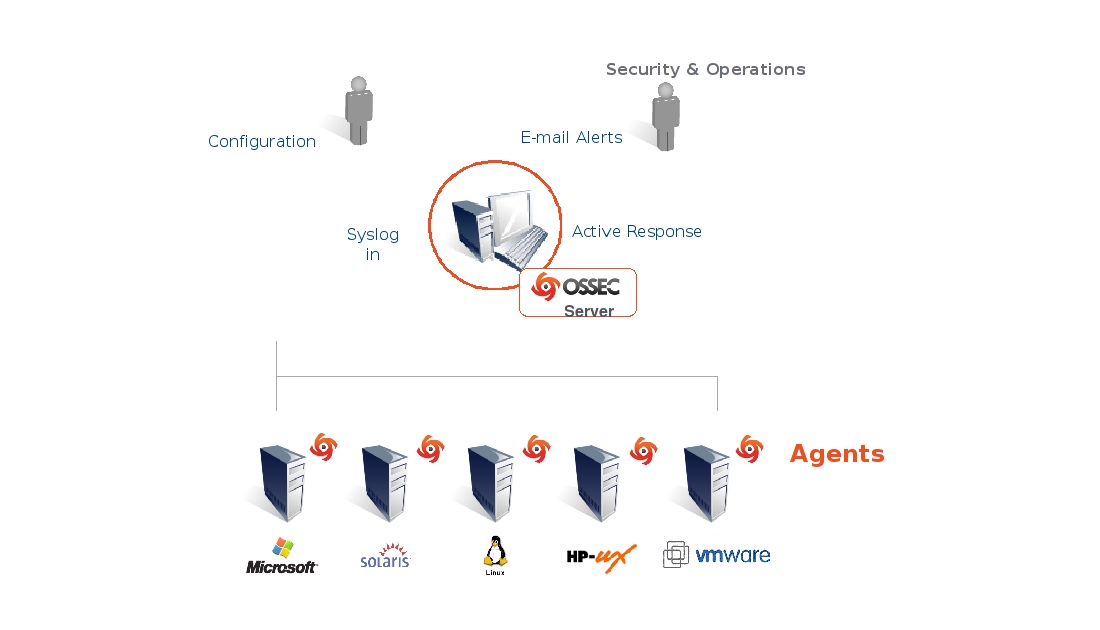
OSSEC is an a free and open-source Host-based Intrusion Detection System that allows you to perform log analysis, file integrity checking, policy monitoring, rootkit detection, real-time alerting and active response.
OSSEC is cross-platform and it works on Mac OS X, Windows and Linux.
What's new in OSSEC HIDS 2.7.1:
- Installation:
- Server:
- Fixed Solaris update install (ddpbsd)
OSSEC HIDS 2.7.1
add to watchlist add to download basket send us an update REPORT- runs on:
- Linux
- filename:
- ossec-hids-2.7.1.tar.gz
1 screenshot:
- main category:
- System
- developer:
- visit homepage
paint.net 5.0.13 (5.13.8830.42291)
Packed with an array of options and an intuitive interface, this application enables you to create professional-looking photographs

Windows Sandbox Launcher 1.0.0
Set up the Windows Sandbox parameters to your specific requirements, with this dedicated launcher that features advanced parametrization
7-Zip 23.01 / 24.04 Beta
An intuitive application with a very good compression ratio that can help you not only create and extract archives, but also test them for errors
Microsoft Teams 24060.3102.2733.5911 Home / 1.7.00.7956 Work
Effortlessly chat, collaborate on projects, and transfer files within a business-like environment by employing this Microsoft-vetted application
Zoom Client 6.0.0.37205
The official desktop client for Zoom, the popular video conferencing and collaboration tool used by millions of people worldwide

4k Video Downloader 1.5.3.0080 Plus / 4.30.0.5655
Export your favorite YouTube videos and playlists with this intuitive, lightweight program, built to facilitate downloading clips from the popular website

IrfanView 4.67
With support for a long list of plugins, this minimalistic utility helps you view images, as well as edit and convert them using a built-in batch mode
ShareX 16.0.1
Capture your screen, create GIFs, and record videos through this versatile solution that includes various other amenities: an OCR scanner, image uploader, URL shortener, and much more
Bitdefender Antivirus Free 27.0.35.146
Feather-light and free antivirus solution from renowned developer that keeps the PC protected at all times from malware without requiring user configuration
calibre 7.9.0
Effortlessly keep your e-book library thoroughly organized with the help of the numerous features offered by this efficient and capable manager
% discount
ShareX
- ShareX
- Bitdefender Antivirus Free
- calibre
- paint.net
- Windows Sandbox Launcher
- 7-Zip
- Microsoft Teams
- Zoom Client
- 4k Video Downloader
- IrfanView
essentials
User Comments
This enables Disqus, Inc. to process some of your data. Disqus privacy policy