
A freely distributed and universal circuit simulator for Linux, Mac OS and Windows. #Circuit simulator #Simulate circuit #Harmonic Balance analysis #Circuit #Simulator #Simulate
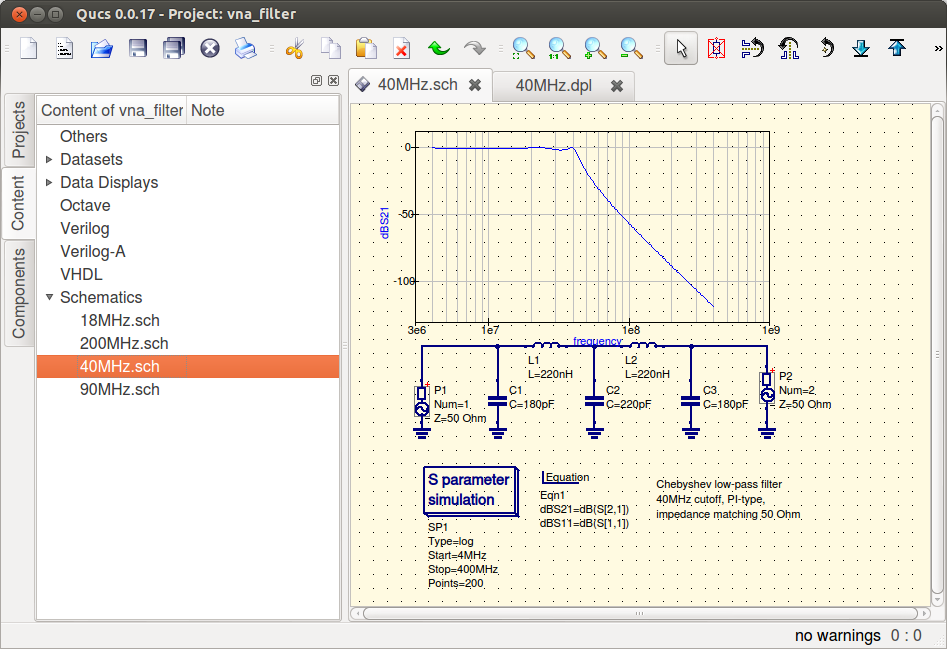
Qucs (Quite Universal Circuit Simulator) is one of the best circuit simulator applications, an open source graphical software implemented in C++ around Qt and designed from the offset to act as an integrated circuit simulator for a vast selection of operating systems.
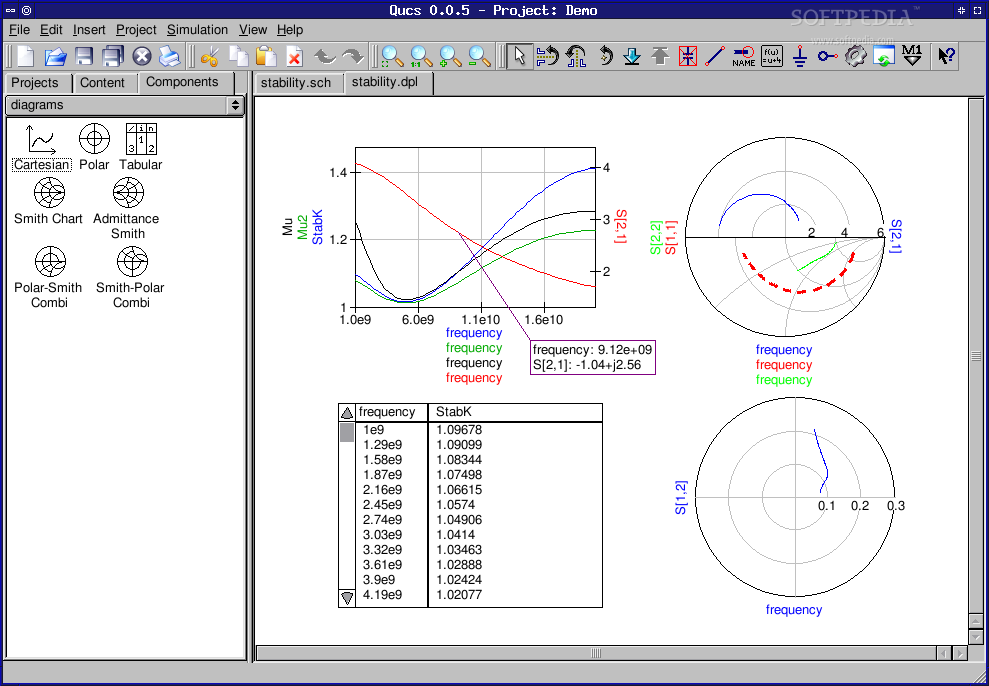
The application supports schematic capture, digital and analog simulations, as well as data visualization. It can be used to easily setup a circuit via its intuitive GUI (Graphical User Interface) and simulate small-signal, large-signal and noise behaviour of the circuit.
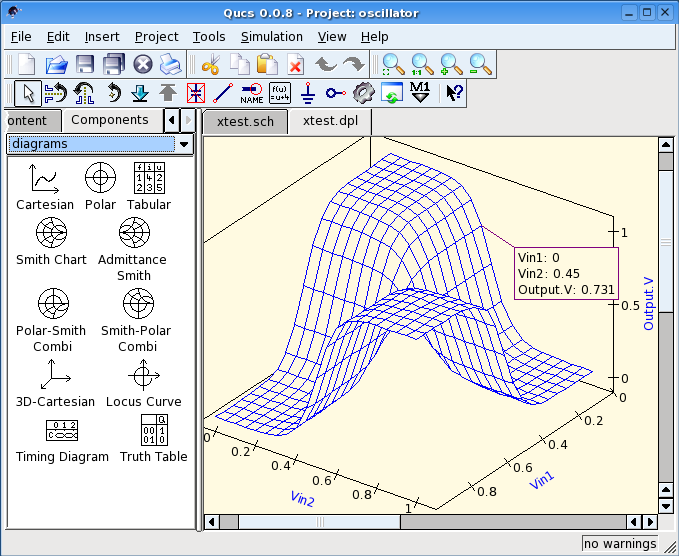
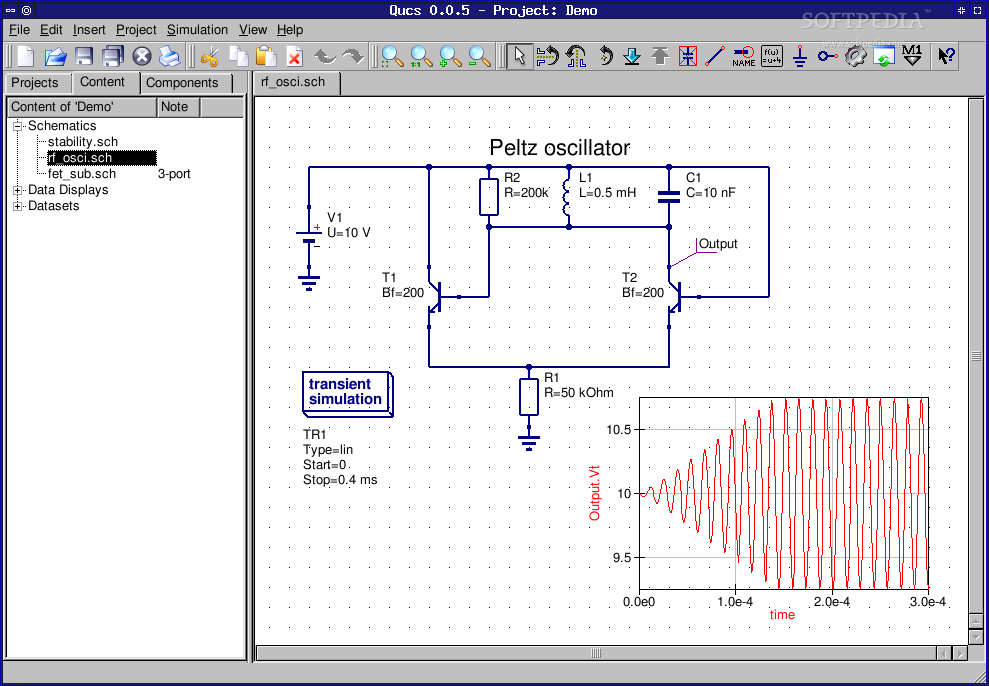
It supports all sorts of circuit simulation types, including noise analysis, AC, DC, harmonic balance analysis, and S-parameter. A command-line circuit simulator is also included, called Qucsator.
There are various ways to install Qucs on a GNU/Linux operating system, the most easy being to open the package manager of your distribution, search and install the pre-built binary from the main software repositories. Other installation methods are covered on the GitHub page of the project.
After installation, you will be able to launch the program from the main menu of your desktop environment. The user interface is quite easy-to-use and intuitive, allowing the user to quickly create a new project, as well as to open or delete an existing one from the sidebar.
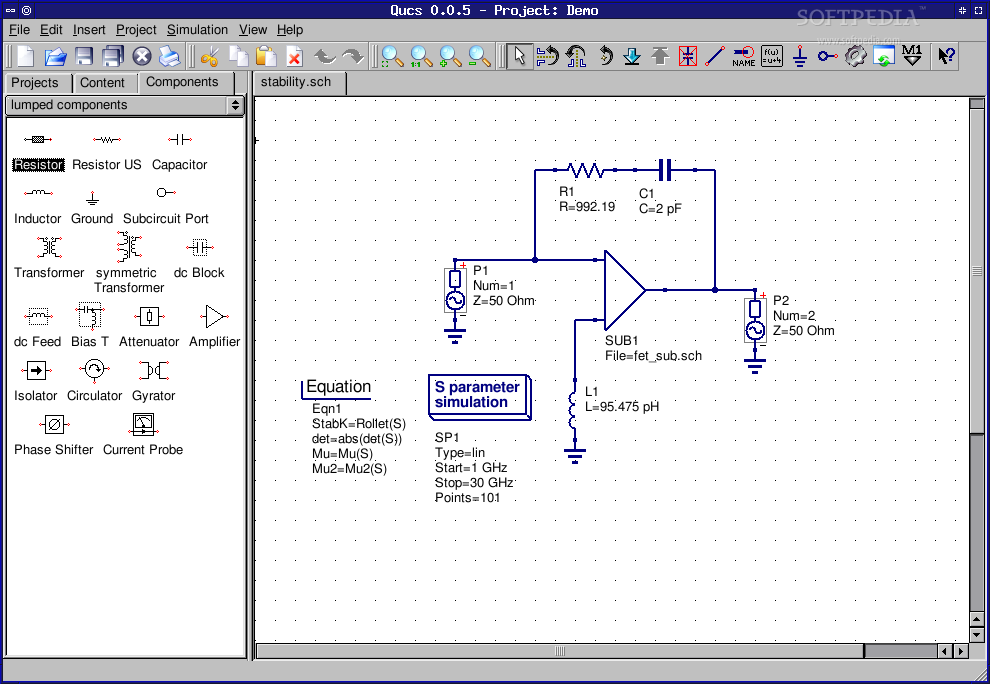
The main toolbar includes all the tools that you need to create circuits and interact with them. Numerous elements can be inserted from the Insert menu, and the Tools menu item gives you quick access to a text editor, filter synthesis, line calculation, component library, and other useful utilities.
Looking under the hood of Qucs, we can notice that the application is written in the C++ programming language and its graphical user interface is designed using the cross-platform Qt GUI toolkit.
Officially supported operating systems include GNU/Linux, FreeBSD, Microsoft Windows and Darwin/OS X. At the moment, the software has been successfully tested with computers supporting either of the 64-bit (x86_64) and 32-bit (x86) instruction set architectures.
Qucs 0.0.18
add to watchlist add to download basket send us an update REPORT- runs on:
- Linux
- main category:
- Science and Engineering
- developer:
- visit homepage
calibre 7.9.0
Windows Sandbox Launcher 1.0.0
ShareX 16.0.1
Microsoft Teams 24060.3102.2733.5911 Home / 1.7.00.7956 Work
4k Video Downloader 1.5.3.0080 Plus / 4.30.0.5655

7-Zip 23.01 / 24.04 Beta
Zoom Client 6.0.3.37634

Bitdefender Antivirus Free 27.0.35.146

IrfanView 4.67
Context Menu Manager 3.3.3.1
- Bitdefender Antivirus Free
- IrfanView
- Context Menu Manager
- calibre
- Windows Sandbox Launcher
- ShareX
- Microsoft Teams
- 4k Video Downloader
- 7-Zip
- Zoom Client