
A secure, fast, compliant and very flexible Web server for Linux operating systems. #Web server #Internet server #HTTP server #Web #Server #HTTP
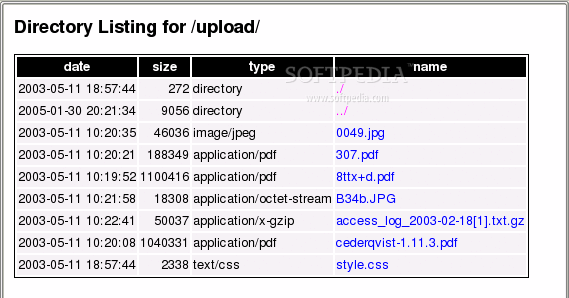
lighttpd is an open source, totally free, secure, fast, compliant, and very flexible Web (HTTP) server software implemented in C and specifically engineered and optimized for high-performance GNU/Linux environments.
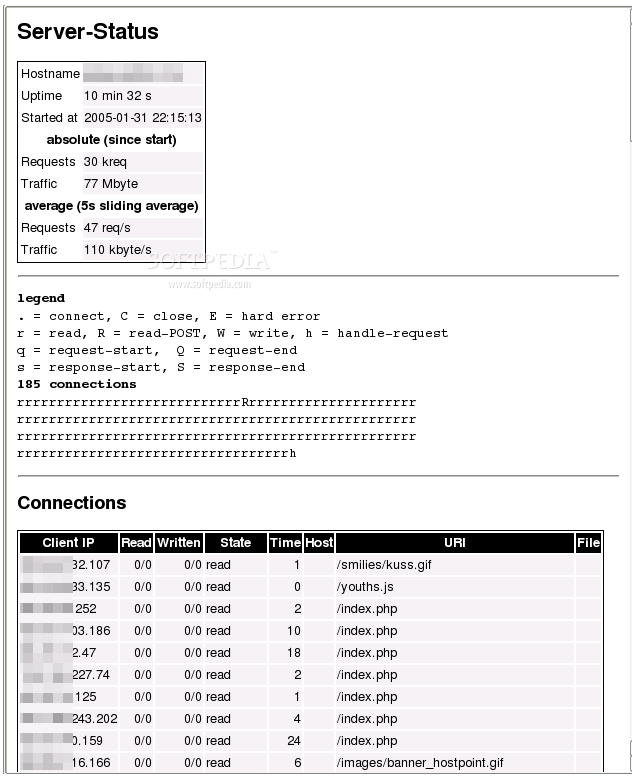
It’s a command-line program that comes with an advanced set of features, including FastCGI (load balanced), CGI (Common Gateway Interface), Auth, Output-Compression, URL-Rewriting, SSL (Secure Sockets Layer), etc.
lighttpd is the perfect solution for Linux servers, where high performance AJAX applications are a must, because of its event-driven architecture, which has been optimized to support a large number of parallel connections (keep-alive).
Compared to other popular Web servers, such as Apache or Nginx, lighttpd has a small memory footprint, which means that it can be deployed on computers with old and semi-old hardware components, as well as an effective management of the CPU load.
To install and use lighttpd on your GNU/Linux system, you have two options. First, open your favorite package manager and search for lighttpd in the main software repositories of your distribution, and install the package.
If lighttpd is not available in your Linux system’s repos, then you will have to download the latest version from Softpedia, where it’s distributed as a source tarball (tar archive), save the file on your computer, unpack its contents, open a terminal emulator and navigate to the location of the extracted archive file with the ‘cd’ command.
Then, you will be able to compile the software by executing the ‘make’ command in the terminal emulator, followed by the ‘make install’ command as root or with sudo to install it system wide and make it available to all users.
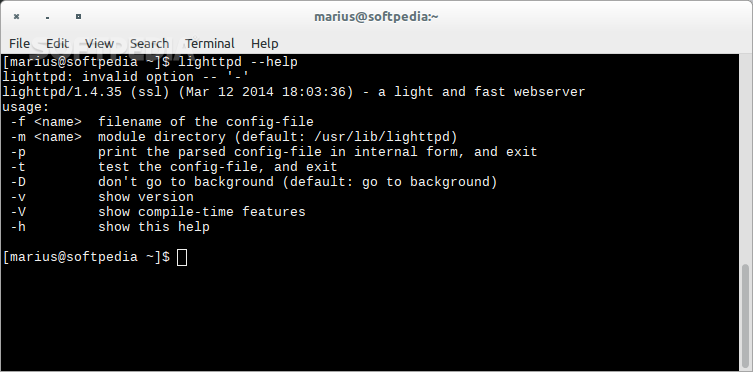
The program comes with a few command-line options, which can be viewed at a glance by running the ‘lighttpd --help’ command in a terminal. These include the ability to specify a configuration file and the location of the modules, test the config file, as well as to force the daemon to run in foreground.
What's new in lighttpd 1.4.54:
- behavior change: strict URL parsing and normalization (configurable)
- performance enhancements, bug fixes
lighttpd 1.4.54
add to watchlist add to download basket send us an update REPORT- runs on:
- Linux
- main category:
- Internet
- developer:
- visit homepage
Windows Sandbox Launcher 1.0.0
IrfanView 4.67

Bitdefender Antivirus Free 27.0.35.146
calibre 7.9.0
7-Zip 23.01 / 24.04 Beta
ShareX 16.0.1
4k Video Downloader 1.5.3.0080 Plus / 4.30.0.5655

Zoom Client 6.0.3.37634
Microsoft Teams 24060.3102.2733.5911 Home / 1.7.00.7956 Work
Context Menu Manager 3.3.3.1
- Zoom Client
- Microsoft Teams
- Context Menu Manager
- Windows Sandbox Launcher
- IrfanView
- Bitdefender Antivirus Free
- calibre
- 7-Zip
- ShareX
- 4k Video Downloader