
An open source and cross-platform Java-based data integration framework and ETL software. #Data integration #Database framework #CloverETL GUI #Integration #Framework #Java
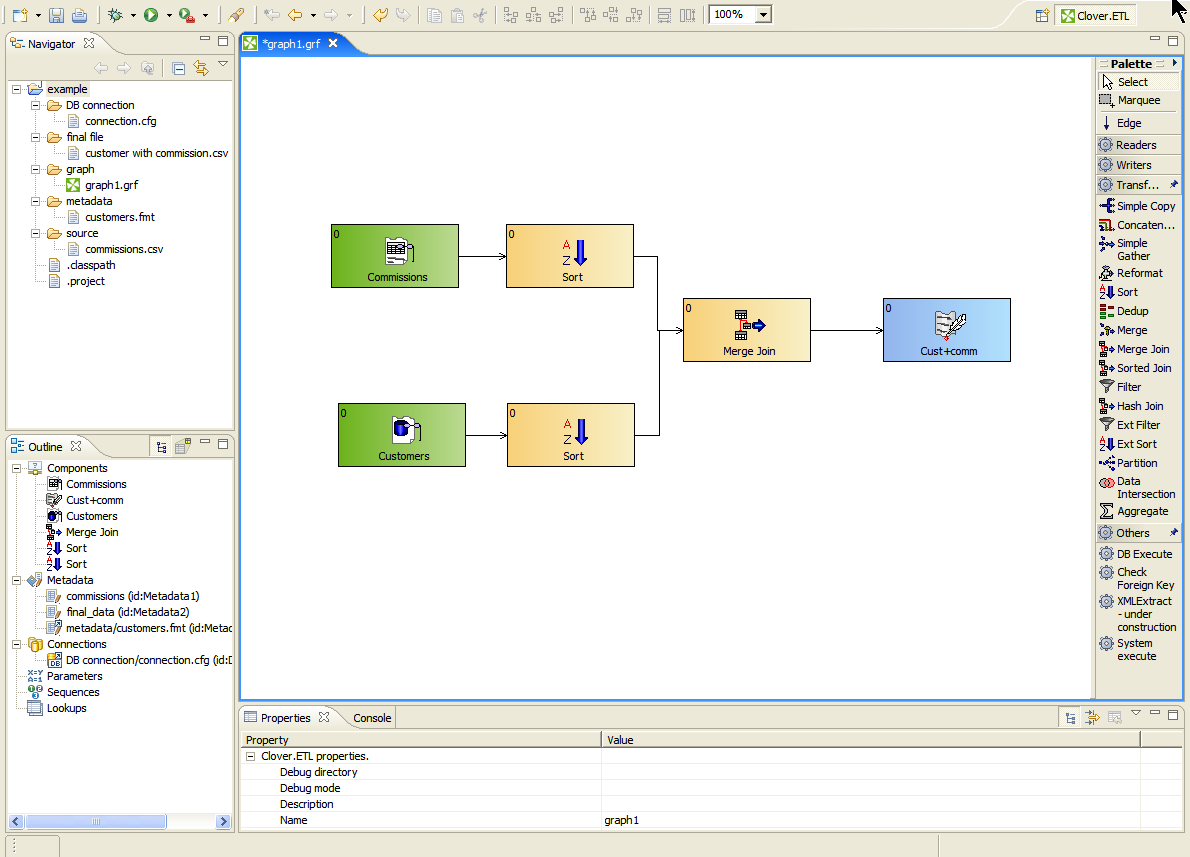
CloverETL Engine is an open source software written in the Java programming language and designed to act as a data integration framework and ETL tool.
CloverETL Designer is a commercial GUI (Graphical User Interface) for the CloverETL Engine. CloverETL can be used to transform data, and allows for platform independence.
CloverETL Engine is light-footed and embeddable, provides powerful parallel processing, workflow automation, a robust tool to get your work done.
Begin written in the Java programming language, both CloverETL engine and designer apps support Linux, Mac OS X and Windows operating systems.
System requirements
CloverETL Engine 4.1.3
add to watchlist add to download basket send us an update REPORT- runs on:
- Linux
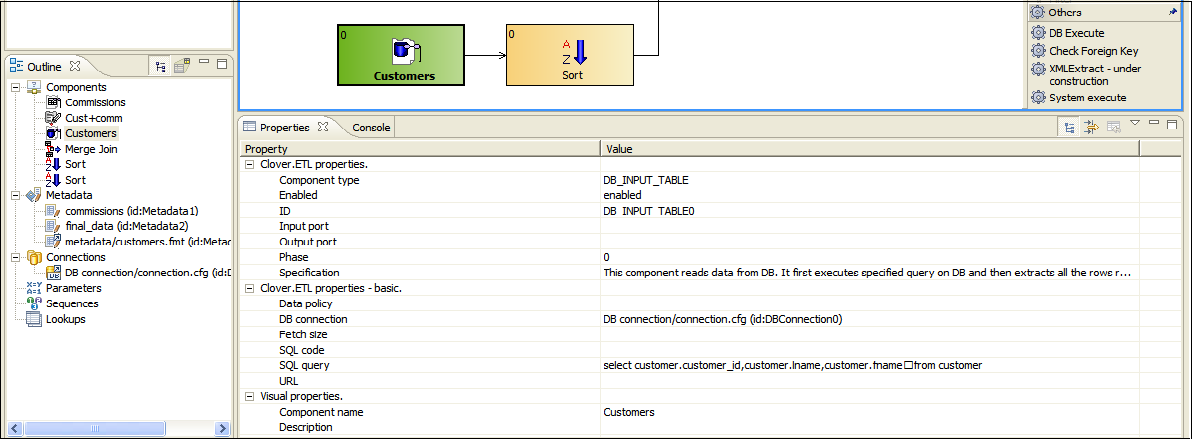
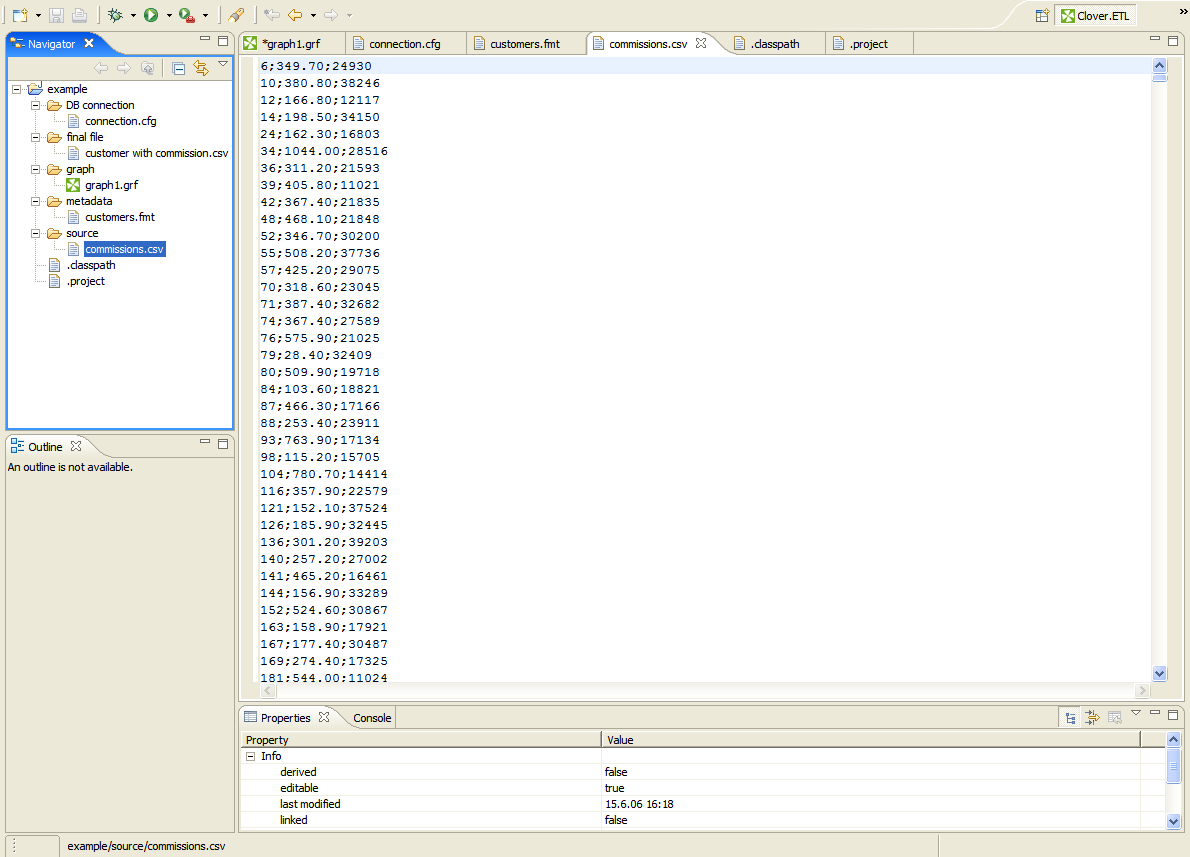
3 screenshots:
- main category:
- Database
- developer:
- visit homepage
Windows Sandbox Launcher 1.0.0
Set up the Windows Sandbox parameters to your specific requirements, with this dedicated launcher that features advanced parametrization
Zoom Client 6.0.3.37634
The official desktop client for Zoom, the popular video conferencing and collaboration tool used by millions of people worldwide
Context Menu Manager 3.3.3.1
Customize Windows’ original right-click context menu using this free, portable and open-source utility meant to enhance your workflow
7-Zip 23.01 / 24.04 Beta
An intuitive application with a very good compression ratio that can help you not only create and extract archives, but also test them for errors
calibre 7.9.0
Effortlessly keep your e-book library thoroughly organized with the help of the numerous features offered by this efficient and capable manager
IrfanView 4.67
With support for a long list of plugins, this minimalistic utility helps you view images, as well as edit and convert them using a built-in batch mode
4k Video Downloader 1.5.3.0080 Plus / 4.30.0.5655
Export your favorite YouTube videos and playlists with this intuitive, lightweight program, built to facilitate downloading clips from the popular website
Microsoft Teams 24060.3102.2733.5911 Home / 1.7.00.7956 Work
Effortlessly chat, collaborate on projects, and transfer files within a business-like environment by employing this Microsoft-vetted application
Bitdefender Antivirus Free 27.0.35.146
Feather-light and free antivirus solution from renowned developer that keeps the PC protected at all times from malware without requiring user configuration

ShareX 16.0.1
Capture your screen, create GIFs, and record videos through this versatile solution that includes various other amenities: an OCR scanner, image uploader, URL shortener, and much more
% discount
Microsoft Teams
- Microsoft Teams
- Bitdefender Antivirus Free
- ShareX
- Windows Sandbox Launcher
- Zoom Client
- Context Menu Manager
- 7-Zip
- calibre
- IrfanView
- 4k Video Downloader
essentials
Load comments
This enables Disqus, Inc. to process some of your data. Disqus privacy policy